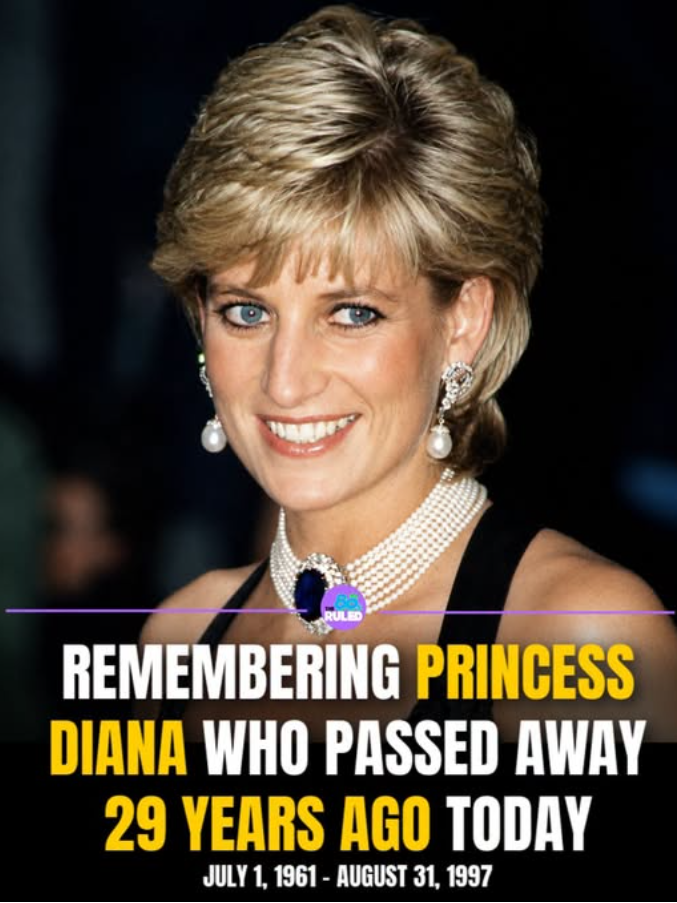
Remembering Princess Diana, who died on August 31, 1997, aged 36. 🕊️ Known as the “People’s Princess,” her warmth, humanitarian work and lasting impact continue to be remembered around the world. #PrincessDiana #RememberingDiana See less
On August 31, 1997, the world lost Princess Diana at just 36 years old. Twenty-nine years later, her life, compassion, and extraordinary connection with people continue to be remembered around the world.
For those who grew up during the 1980s and 1990s, Diana was an unforgettable presence. Millions watched as the 20-year-old Lady Diana Spencer married Prince Charles on July 29, 1981. The ceremony captured worldwide attention and transformed the shy young woman with the unmistakable smile into one of the most recognizable people of her generation.
In the years that followed, the public watched Diana become a mother to Prince William and Prince Harry. They followed her royal tours, public appearances, and gradual transformation from a reserved young princess into a confident woman capable of commanding global attention.
Yet Diana’s lasting impact went far beyond royal ceremonies, designer dresses, and glamorous photographs.
She understood that her enormous fame could bring attention to people and causes that were too often ignored. One of the defining moments of her humanitarian work came in 1987, during the height of fear and misinformation surrounding HIV and AIDS. Diana was photographed shaking hands with an HIV-positive patient without wearing gloves.
It was a simple gesture, but at the time it carried a powerful message. Her willingness to make physical contact publicly helped challenge the false belief that HIV could be transmitted through ordinary touch.
Diana would go on to support numerous humanitarian causes, including organizations helping children and people experiencing homelessness. During the final year of her life, she also became a prominent supporter of efforts to eliminate anti-personnel landmines, famously walking through a cleared minefield in Angola in January 1997.
Behind the public image, however, Diana’s personal life was complicated and often painful.
Her marriage to Charles deteriorated under intense public scrutiny. The couple separated in 1992, and their divorce was finalized in 1996. Despite the difficulties surrounding her marriage and royal life, Diana’s devotion to William and Harry remained one of the most important parts of her life.
Following the divorce, she began establishing a more independent public identity. Rather than disappearing from public life, Diana concentrated her attention on selected humanitarian causes and continued using the extraordinary interest surrounding her to shine a spotlight on others.
Then, in the early hours of August 31, 1997, came the news that stunned millions.
Diana had been involved in a devastating car crash in the Pont de l’Alma tunnel in Paris. She later died from her injuries.
She was only 36.
The reaction was extraordinary. Flowers, letters, photographs, and personal tributes appeared outside royal residences as people struggled to understand the sudden loss of someone they felt they had known through photographs, television appearances, and years of headlines.
Her funeral on September 6, 1997, was watched by an enormous international audience.
Twenty-nine years later, photographs of Princess Diana can still instantly transport many people back to another era. But her legacy is about far more than nostalgia for the 1980s and 1990s.
Diana demonstrated how someone living under extraordinary public attention could redirect that attention toward people who were sick, marginalized, stigmatized, or forgotten. Her warmth and willingness to connect personally with people helped reshape expectations of what a modern royal and global public figure could represent.
She was a princess, a mother, a humanitarian, and one of the defining public figures of her generation.
Nearly three decades after her death, the world still remembers her.
Rest in peace, Princess Diana.
July 1, 1961 – August 31, 1997. 🕊️❤️